California
California’s fight against fentanyl hits record high with over $506 million in seizures

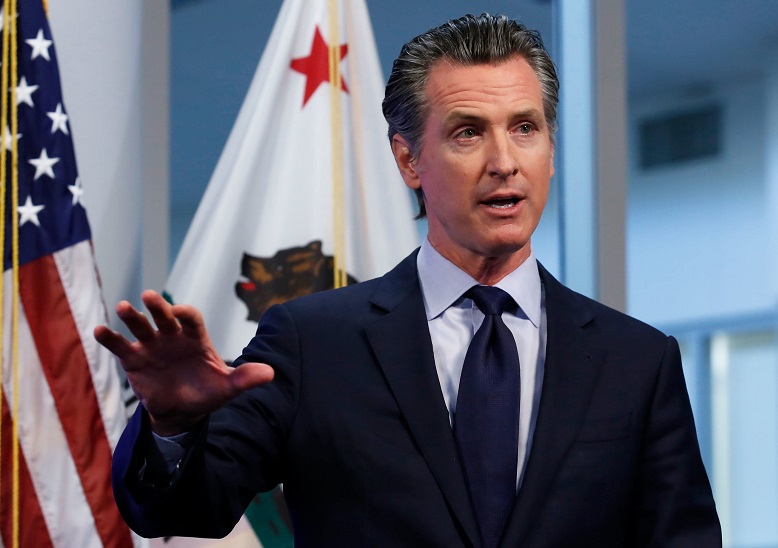
California – Governor Gavin Newsom announced that California’s border and interdiction operations have now seized more than $506 million worth of illicit fentanyl since the launch of a targeted strategy in 2021. This milestone underscores the sweeping impact of California’s state-led initiatives to combat drug trafficking and save lives across the state.
“Fentanyl is killing Californians every day — and we are meeting this crisis with action, not rhetoric,” said Governor Newsom. “In 2021, we launched a focused effort to stop traffickers at the border and along our transportation corridors. The results are clear: lives saved, communities protected, and criminal networks disrupted.”
At the core of this success is a $30 million investment from the state that expanded the California National Guard’s Counter Drug Task Force and integrated support for High-Intensity Drug Trafficking Area (HIDTA) programs. The task force has aided in the seizure of over 34,000 pounds of fentanyl, including more than 50 million lethal pills.
CalGuard and CHP Lead the Charge
CalGuard servicemembers are embedded in joint task forces and are working at ports of entry, where they support criminal investigations and use aerial and ground assets to halt transnational criminal organizations. Major General Matthew Beevers emphasized that “the integration of dedicated state funding alongside our federal resources is a force multiplier.”
In addition to CalGuard’s border efforts, the California Highway Patrol (CHP) has deployed regional crime suppression teams throughout San Diego, Los Angeles, the Central Valley, and other high-impact areas. Since 2024, these teams have conducted thousands of operations, resulting in 11,700 arrests, nearly 500 illicit firearms seized, and more than 6,200 stolen vehicles recovered.
In San Diego alone, 83 CHP-led operations since 2025 have led to 404 arrests and the confiscation of 104 pounds of illegal drugs.
Restoring What Was Stalled and Saving Lives
Governor Newsom noted that the state had to rebuild these operations after former President Donald Trump “illegally removed California Guard members” from key drug interdiction missions. Once the Guard returned to state control, Newsom quickly reactivated the mission and restored momentum.
This public safety push is also part of the governor’s broader Master Plan for Tackling the Fentanyl and Opioid Crisis. Under this initiative, CalRx®-branded over-the-counter naloxone is now available statewide — free for eligible organizations and low-cost for the general public. To date, California has distributed enough naloxone to reverse over 400,000 overdoses and saved more than $40.9 million in drug costs.
Naloxone’s impact has extended beyond health. In one quarter, CalRx lowered the price of generic naloxone by 22%, allowing California to reinvest savings into treatment and outreach.
Violent Crime Drops as Strategic Investments Take Hold
With more than $2.1 billion invested since 2019 to fight crime and support local law enforcement, California is now seeing measurable reductions in violent crime. According to data from the Major Cities Chiefs Association, homicides are down 18%, robberies are down 18%, and aggravated assaults have dropped 9% year-over-year.
Cities like Oakland and San Francisco saw some of the largest drops in violent crime, reporting declines of 25% and 21%, respectively. This stands in contrast to rising crime in places like Atlanta and El Paso.
California’s results reflect not just a policing strategy but a multi-agency commitment to prevention, interdiction, and public health. Through strategic funding, community coordination, and statewide leadership, the Golden State is confronting the fentanyl crisis with intensity — and seeing lives saved as a result.